
Background
Jaguar Land Rover was modernising its global identity and access management ecosystem as part of a wider digital transformation. The existing IAM experience covered customers, retailers, and employees across multiple portals and markets. It had been built almost entirely by engineers, with no design input, no brand governance, and no shared visual language.
The interfaces were functional in the narrowest sense. They worked. But they bore no relationship to the premium brand experience JLR was investing heavily in everywhere else. For a company redefining what luxury means in the automotive industry, that gap mattered.
I was brought in as Senior UX Consultant to introduce a design-first approach and build the multi-brand design system that would bring Jaguar and Land Rover’s IAM experiences up to the standard the brands demanded.
The Challenge
The engineering resistance was real and significant from the start. IAM had always been a technical discipline at JLR. Security and compliance drove every decision. Design was not part of the conversation, and there were people who saw no reason it should be. Making the case for design in that environment required more than good work. It required patience, credibility built gradually, and a consistent ability to demonstrate value in terms engineers and architects actually cared about: reduced rework, cleaner implementations, faster delivery.
The brand complexity added another layer. JLR was not standing still while we built. The wider brand refresh was actively underway, which meant building a design system on top of a moving target. Components and tokens agreed in one quarter could be superseded by brand decisions made in the next. The only way to manage that was to stay close enough to the brand team to anticipate where things were heading rather than just react to changes after they landed.
Building a system that could accommodate two distinct sub-brand personalities, Jaguar and Land Rover, within a single technical architecture was a constraint that shaped every structural decision from the foundations up.
The Approach
I started by mapping the full IAM landscape across B2C, dealer, and internal portals. Stakeholder interviews and heuristic evaluation gave us a clear picture of where the experience was failing and where the biggest misalignments between brand intent and delivered interface sat.
The early stakeholder work was as much about building trust as gathering insight. Getting design taken seriously in an engineering-led programme meant showing up with evidence rather than opinions, and being genuinely curious about the technical constraints rather than treating them as obstacles to good design.
Cross-functional alignment sessions helped establish shared priorities across JLR and iC Consult teams, and created the foundation for a working relationship that could sustain three years of iterative delivery.
The Design System
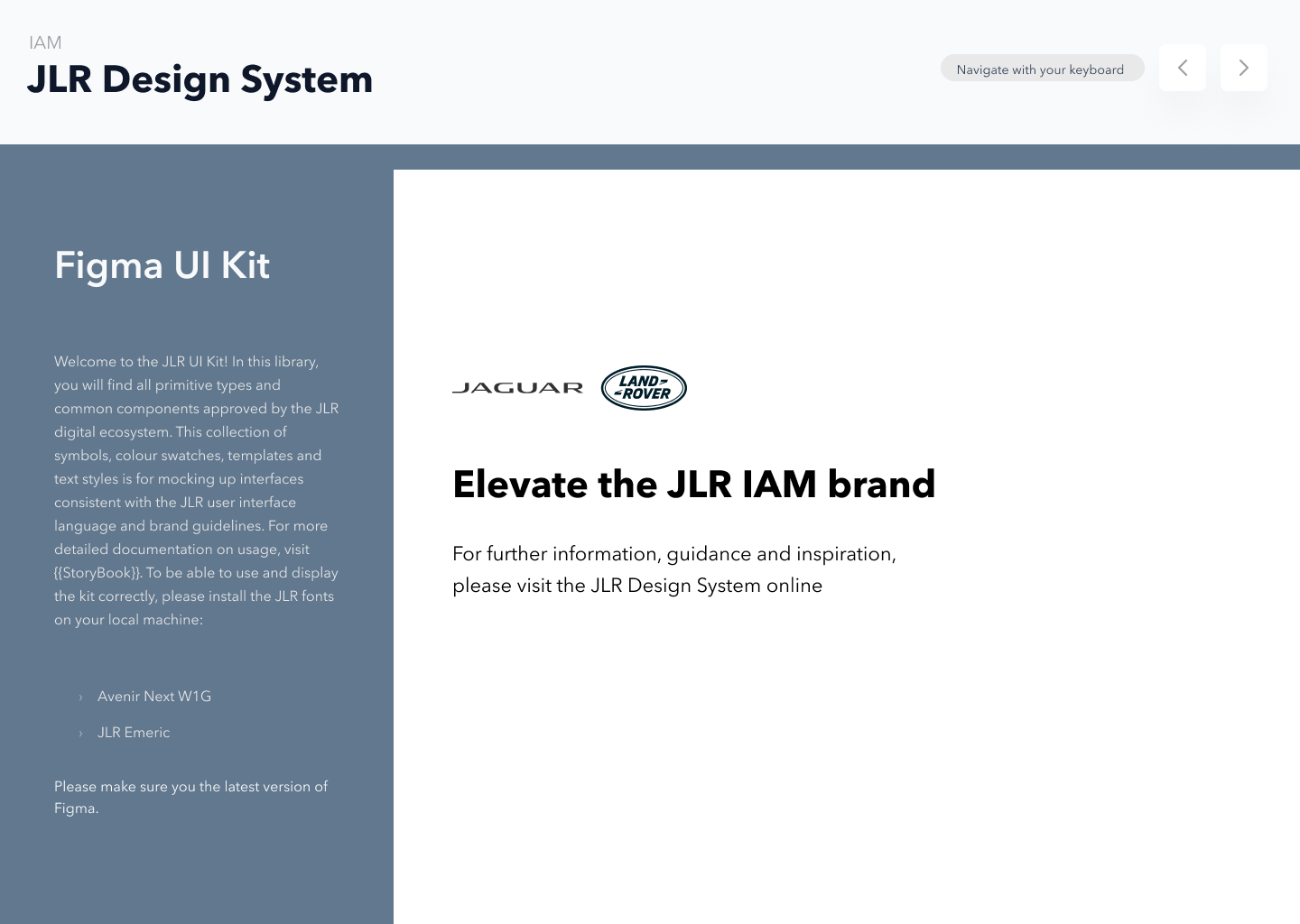
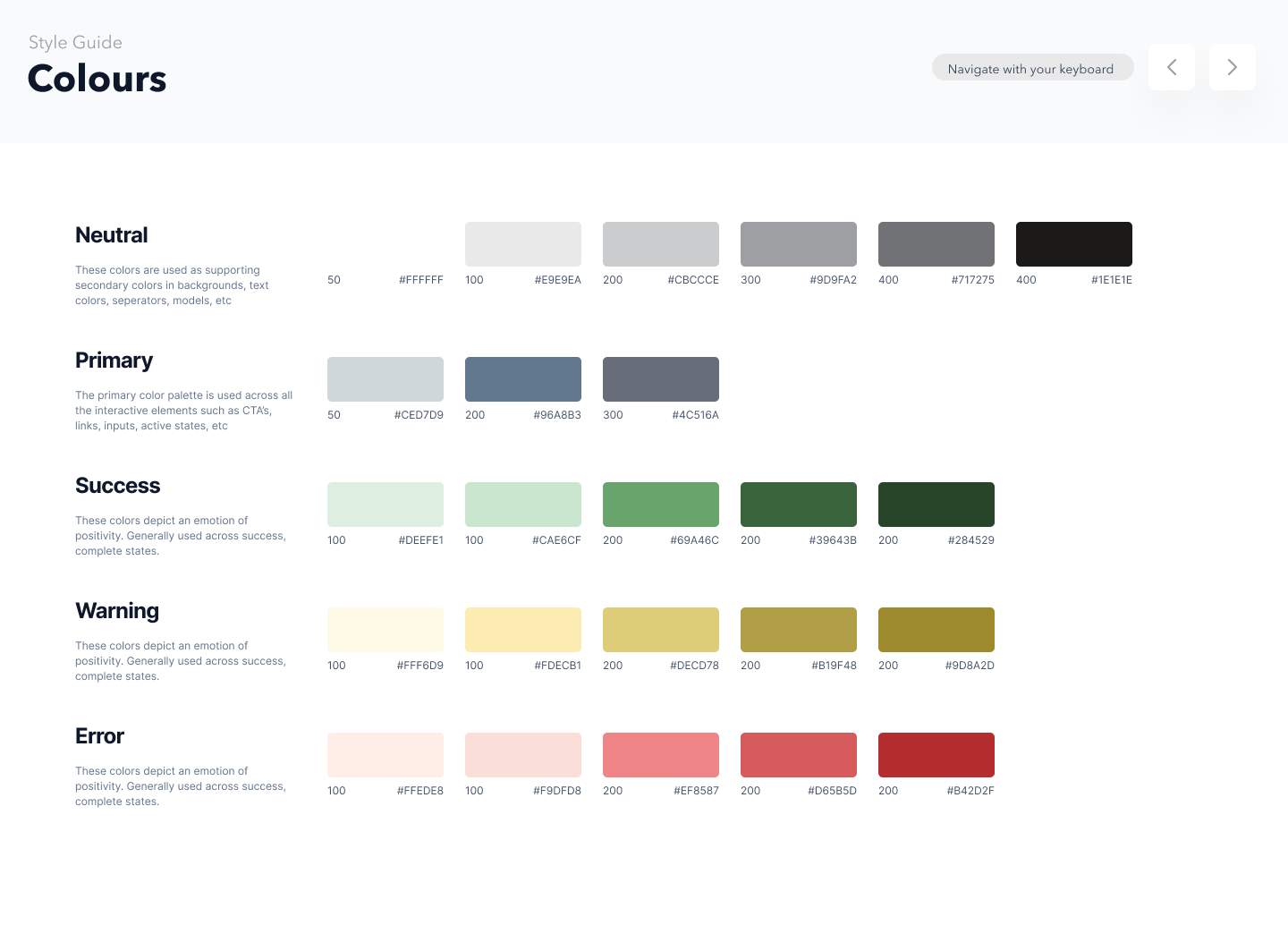
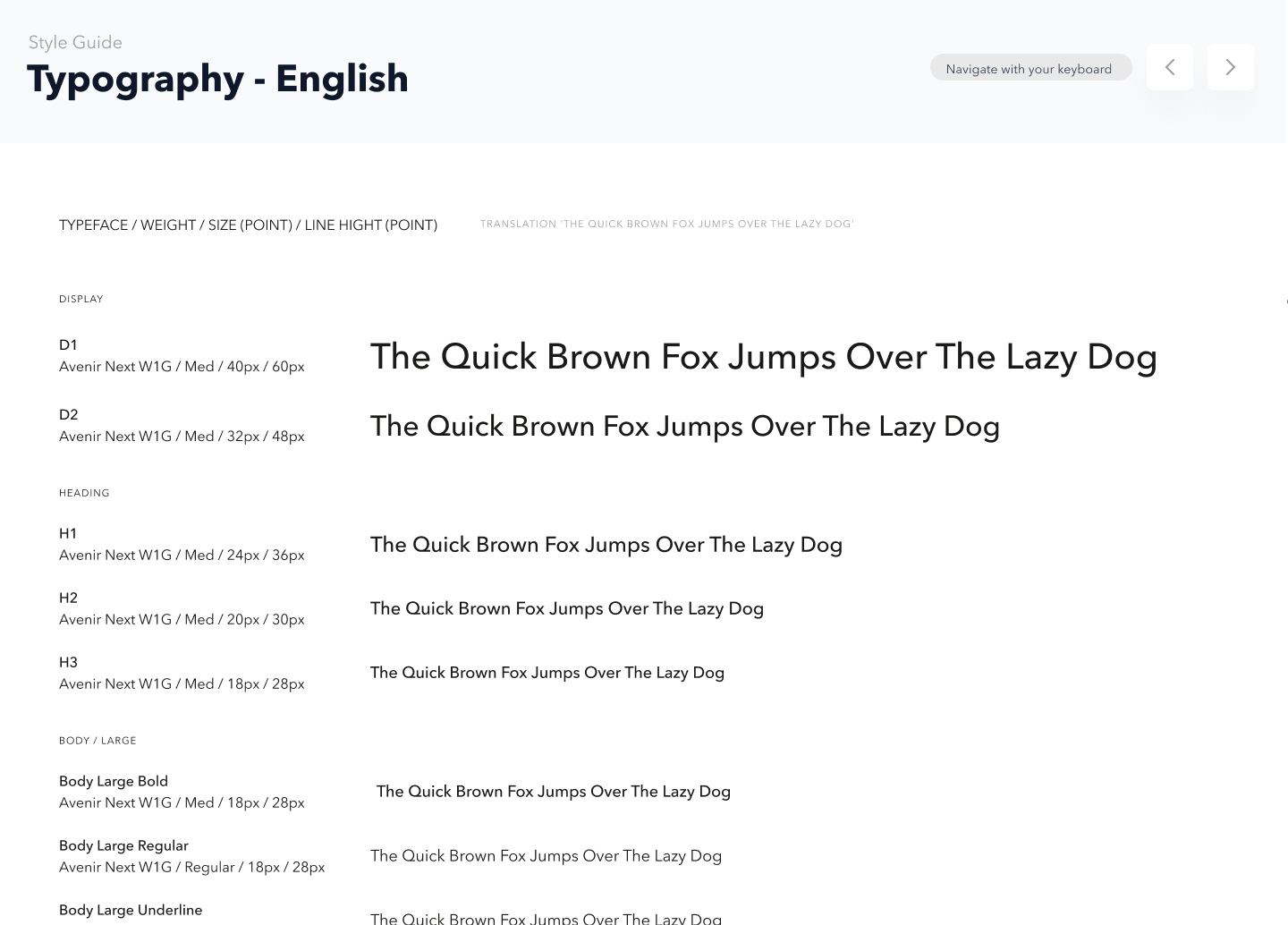
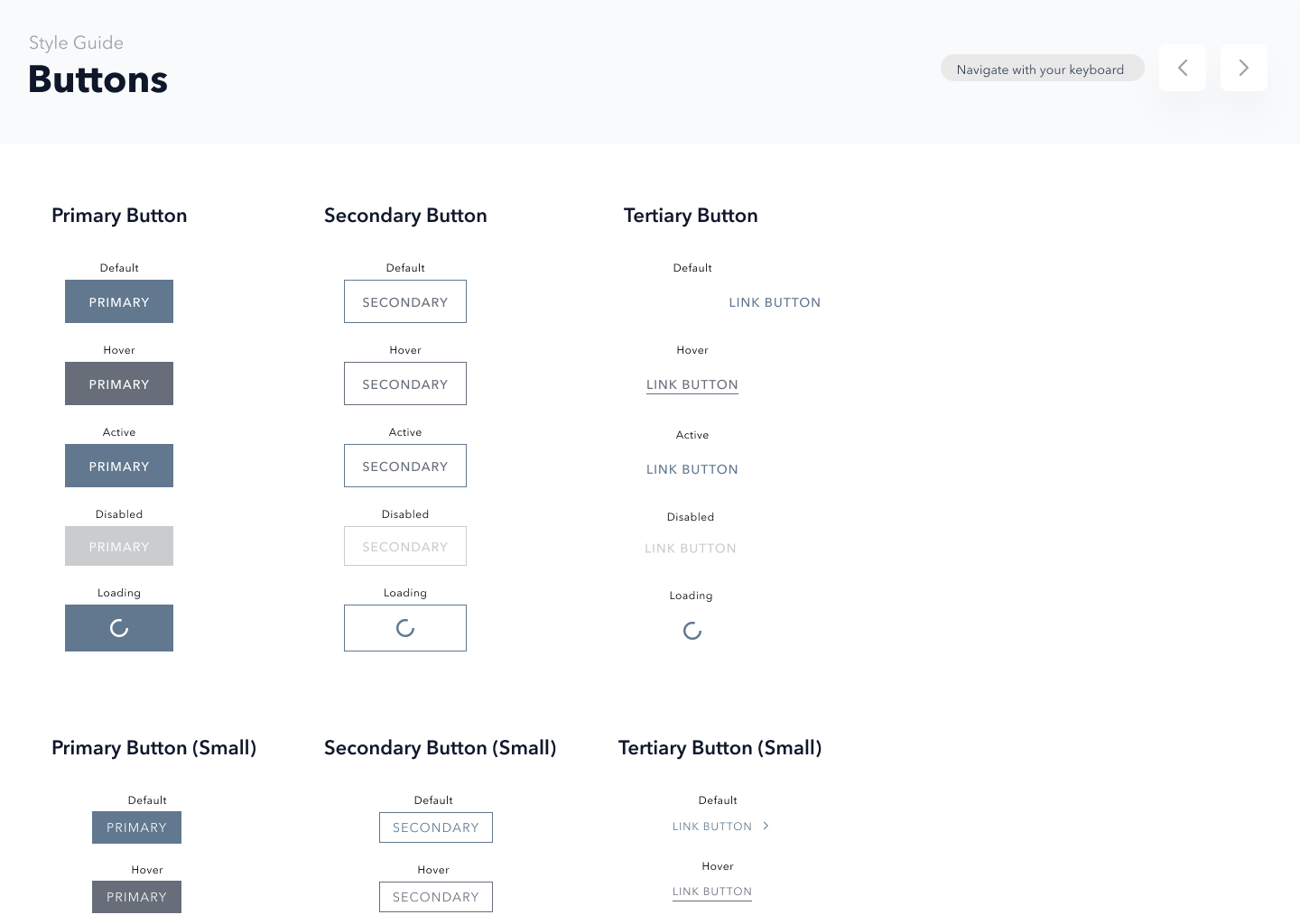
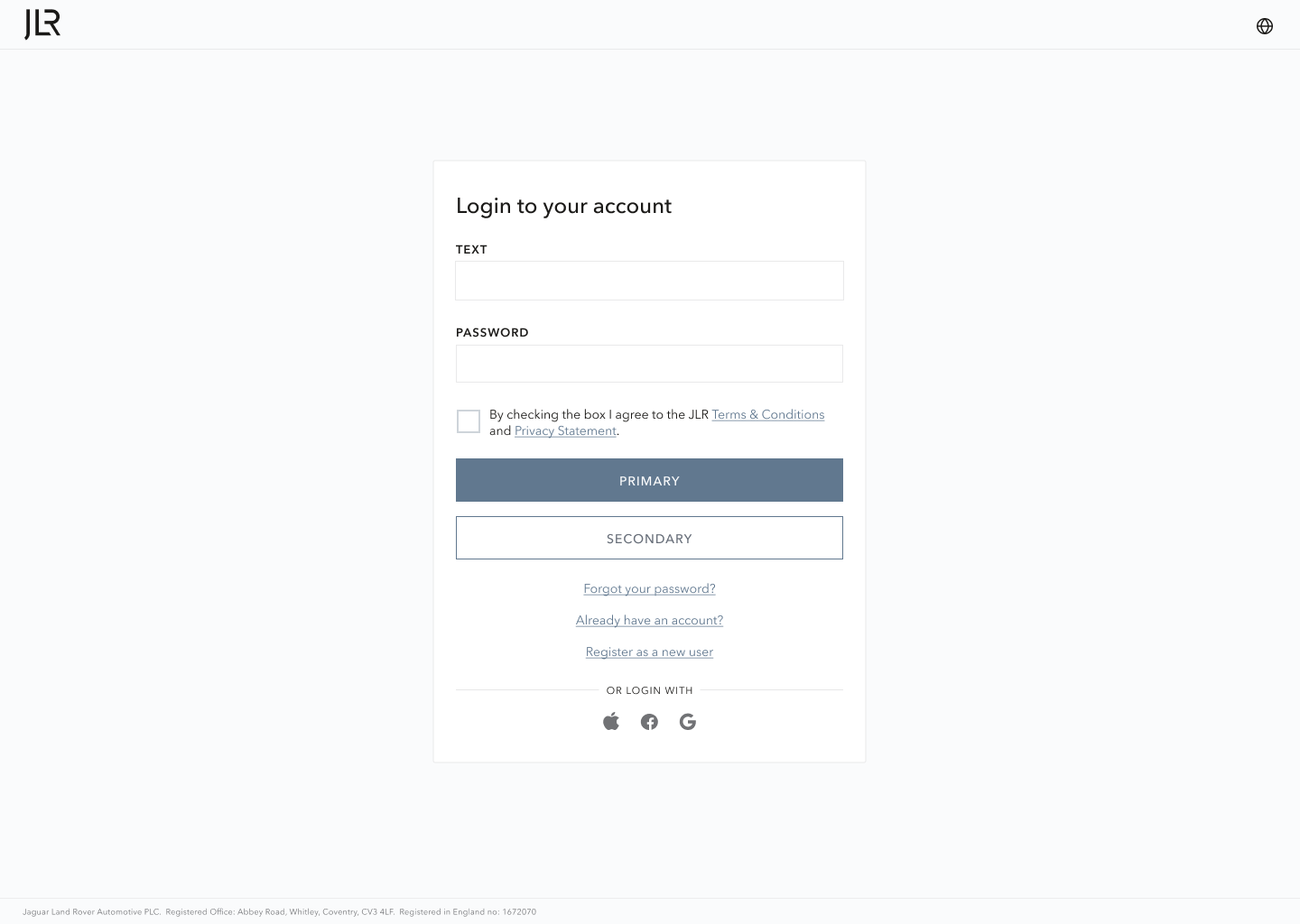
The multi-brand Figma design system was the central piece of work. Built on atomic principles, it included a colour token structure and typographic scale aligned to JLR’s master brand, adaptive layouts across desktop, tablet, and mobile, reusable components covering the full range of IAM interactions, and brand-switching logic to toggle between Jaguar and Land Rover visual themes within a single system.
The token architecture was deliberately built for flexibility. Knowing the brand was evolving, I worked closely with JLR’s internal brand and digital design teams to understand the direction of travel before decisions were finalised. That proximity meant the system could absorb brand updates without requiring structural rebuilds. Changes could propagate through the token layer rather than requiring component-by-component revisions.
Accessibility compliance to WCAG 2.1 AA was built in from the start. In a security-critical environment where forms, consent flows, and authentication screens carry real user consequences, accessibility is not optional.
The system was shared across design, engineering, and marketing teams and became the single reference point for all IAM interface work going forward.
Embedding Design into Delivery
Getting the system built was one challenge. Getting it used consistently was another.
I embedded directly into the IAM delivery workflow, working alongside developers sprint by sprint rather than handing over documentation and stepping back. Component documentation, annotated prototypes, and code-aligned specifications reduced the interpretation gap between design intent and built output. Regular design and development syncs caught drift early. Visual QA reviews maintained quality as the programme scaled.
The resistance that characterised the early months shifted gradually as the practical benefits became visible. Rework reduced. Implementations became more consistent. Onboarding new developers onto existing patterns became faster. By the midpoint of the engagement, design was no longer a bolt-on to the delivery process. By the end it was part of every sprint and every release.
That shift did not happen because of a single convincing argument. It happened because the system made good design the path of least resistance.
The Outcomes
Early on, there was scepticism about “bringing design into IAM.”
The most visible outcome is the quality and consistency of the IAM interfaces across JLR’s portal estate. Jaguar and Land Rover authentication experiences that previously had no coherent relationship to the brand now reflect the premium standard those brands represent elsewhere.
The design system is in active use across multiple IAM portals and provides the foundation for future identity work including connected car experiences. New features and flows are designed and built within an established framework rather than from scratch, which has materially improved delivery speed and reduced the risk of visual inconsistency creeping back in.
The less visible but equally significant outcome is the process change. Design is now embedded in how JLR’s IAM programme runs. That is not something that was handed over at the end of the engagement. It was built into how teams work together, which makes it considerably more durable.
Reflection
The project delivered a measurable shift in both process and Three years is a long time to spend on a single engagement. What kept it interesting was the complexity of the problem. Not the technical complexity, though that was real, but the human complexity of introducing a different way of thinking into an environment that had not asked for it.
The thing that worked was staying genuinely useful to the engineers rather than positioning design as something separate from and superior to what they were doing. Understanding their constraints, speaking in terms of outcomes they cared about, and making the system easy enough to use that adopting it was the obvious choice rather than the principled one.
Building a design system while the brand is actively evolving taught me more about token architecture and system flexibility than any stable project could have. The constraints made the thinking sharper.